Apartment Water Damage in Gardena, CA
About half of Gardena households rent, many in garden apartments and two-story buildings. When one unit leaks, several can get wet. The restoration team extracts, dries each unit around the people living there and documents it for the owner.
(888) 563-9619Leak in a Gardena rental? Call
First steps for a leak in an apartment building
- 1
Shut the unit valve
Most units have a valve under the sink or behind the toilet; managers can close the building main.
- 2
Check the units below and beside
Knock on the neighboring doors, because water rarely stays in one unit.
- 3
Photograph belongings
Tenants should photograph wet belongings for their own renters policy.
- 4
Keep people off wet floors
Wet vinyl and tile get slippery, and outlets near water are a hazard.
How apartment water damage is handled by the Gardena restoration crew
Apartment work is drying with people at home, so the restoration team plans each unit around the tenants and keeps the owner's file complete.
Rapid local response
The response team answers 24/7 and gets a crew moving across Gardena and the South Bay, nights, weekends and storm days included.
IICRC S500 drying standard
The drying team works to the industry drying standard and pulls equipment only when readings say dry, not when the surface looks dry.
Claim-ready documentation
Moisture maps, daily readings and timestamped photos go into a drying log the adjuster, the HOA and the owner can all read.
South Bay water experts
Slab homes, stacked condos and apartment buildings are the everyday work, so the crew checks the unit below and the slab, not just the wet room.
What does apartment water damage cost in Gardena, CA?
In Gardena, CA, apartment water damage typically runs $1,000 to $10,000 per incident, depending on how many units the water reached, the water category and how much flooring and drywall comes out.
Single unit
$1,000 to $2,500- One unit, clean water
- Extraction and drying
- Tenant stays home
Two to three units
$2,500 to $6,000- Source and neighbors
- Flooring or drywall removed
- Per-unit logs
Building-wide or dirty
$6,000 to $10,000+- Riser or sewer line
- Containment and HEPA
- Category 3 removal
The drivers are the water category, the square footage, the material class and how fast drying started. For a planning range, try the water damage cost calculator.
The apartment water damage process in Gardena
- 1
Walk the building
The tech checks the source unit and every unit around it.
- 2
Extract
The extraction crew removes standing water from each affected unit.
- 3
Dry in place
The drying team sets equipment so tenants can stay where it is safe.
- 4
Close out
Each unit gets a final reading, then the owner gets the full file.
Garden apartments, courtyard buildings and small complexes fill the blocks off Vermont, Normandie and Western, and much of that stock dates to the 1950s through the 1970s. Supply lines under sinks, toilet tanks, tub drains and tank water heaters in each unit all age at once, so a building that has one leak usually has more coming.
What the owner or manager gets
Property owners and managers need the building dried and a clear record of what happened in each unit. The restoration team provides:
- A moisture map and photo set for every affected unit
- Daily readings until each unit meets the drying goal
- A note of the source fixture and the water category
- A line-item, Xactimate-style scope for the owner's adjuster
What tenants can expect
In most clean-water losses, tenants stay home while the equipment runs. Air movers make noise and the dehumidifiers add heat, so the drying team explains what is running and why, and asks tenants not to switch it off. Renters' belongings are covered, if at all, by the tenant's own renters policy rather than the building's policy, which surprises many people. The California Department of Insurance explains renters coverage in plain language.
When the water is dirty
A backed-up toilet or a shared sewer line that overflows into a ground-floor unit is Category 3 water. The mitigation team contains the area with plastic sheeting and HEPA air scrubbers, removes porous materials the water touched and applies an EPA-registered antimicrobial before drying. Tenants stay out of the contained area until the work and the readings are done. The CDC flood safety page covers why contaminated water needs that care.
Water in more than one unit? Shut the unit valve or the building main and call (888) 563-9619
Where apartment water damage is handled around Gardena
The Gardena restoration crew works ZIP codes 90247, 90248 and 90249, from Moneta and the Western Avenue corridor to West Gardena and the Rosecrans industrial belt, plus Hawthorne, Torrance, Lawndale and Carson next door.
See every neighborhood coveredRelated water damage services in Gardena
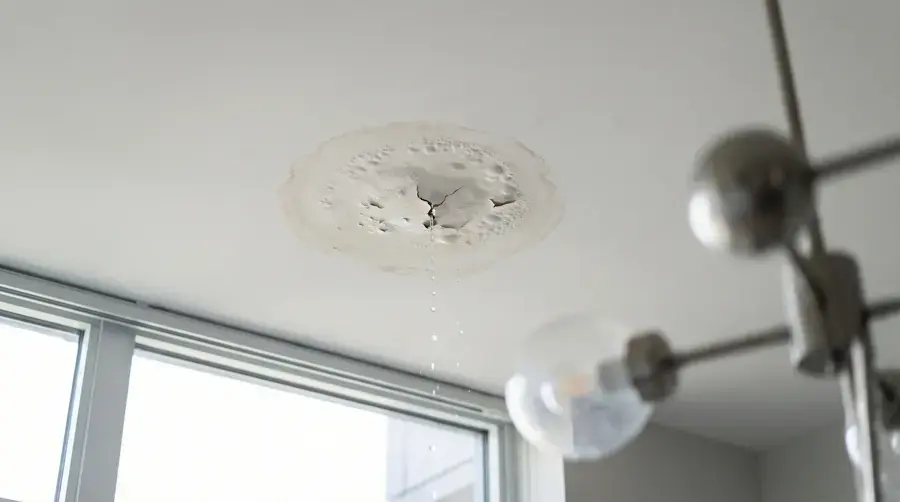 Condo Water DamageStacked-unit leaks mapped unit by unit, with a drying log each owner and the HOA can use.
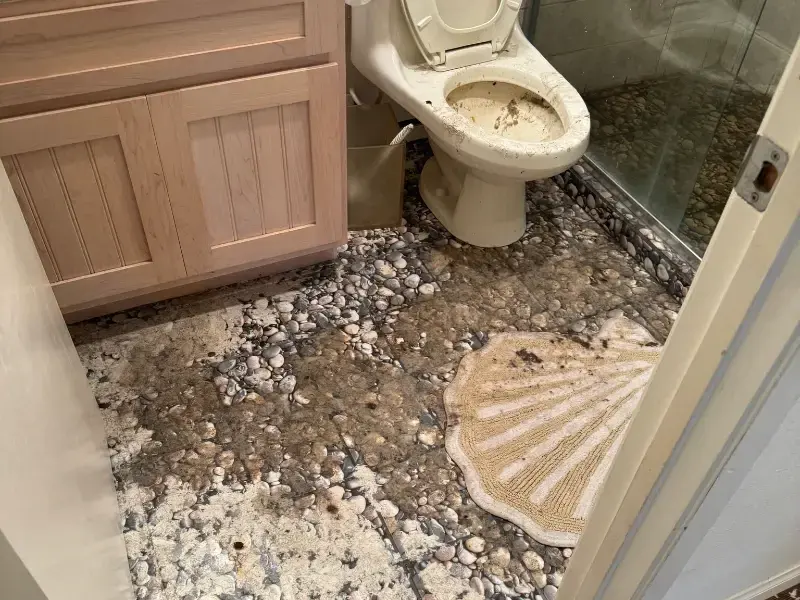 Sewage Backup CleanupCategory 3 backups from old laterals, contained, removed and treated before drying.
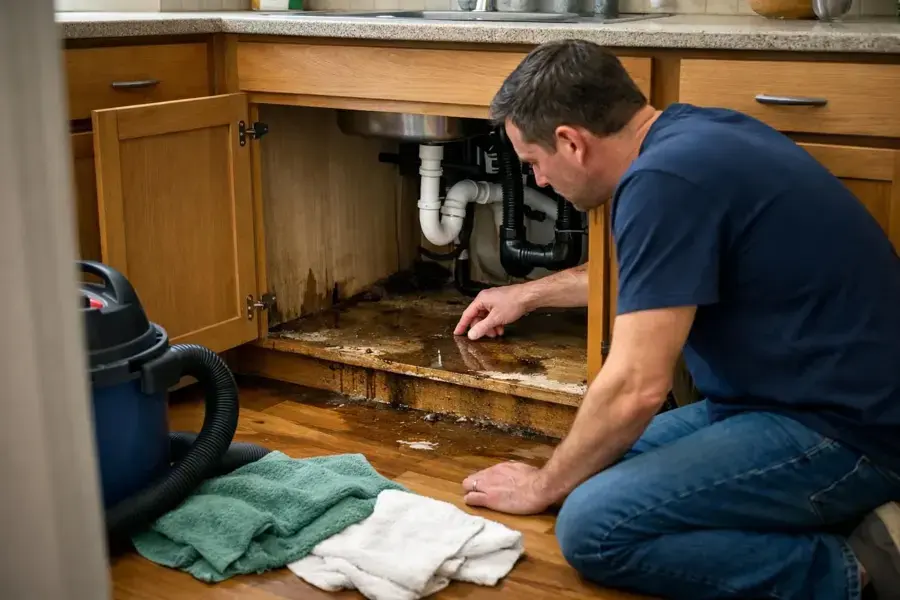 Appliance Leak Water DamageWasher hoses, fridge lines and dishwasher feeds that fail under pressure.
Apartment water damage questions in Gardena
Water in the house right now? Skip the reading and call (888) 563-9619.
Does the tenant or the landlord call for drying?
Either can report it, and the owner or manager usually authorizes the work. Getting extraction started quickly protects the building and every unit around the leak.
Do tenants have to move out during drying?
Usually not for clean-water losses. Tenants move out of a room or unit only when Category 3 water is involved or when the damage makes the unit unsafe.
Are a tenant's belongings covered by the building's insurance?
Usually not. The owner's policy covers the building, and the tenant's renters policy covers belongings. Coverage depends on the policies, so check with each insurer.
How long does an apartment take to dry?
A contained Class 1 or 2 loss usually dries in three to five days. Slabs under flooring and multi-unit losses take longer, and equipment leaves on readings, not on a set date.
Why are the dehumidifiers so warm and loud?
LGR dehumidifiers pull water out of the air and release heat, and air movers push dry air across wet surfaces. Both need to keep running for the drying to finish on time.
What records does the property owner receive?
A moisture map, photo set and daily reading log for each unit, the source and category of the water, and a line-item scope for the adjuster.
Water in a Gardena apartment building?
The restoration team dries each affected unit around the people living there and hands the owner a complete, per-unit file.