Condo Water Damage in Gardena, CA
In a Gardena condo, the unit with the stain is often not the unit with the leak. The restoration team traces the water through the units above, below and beside, then dries each one and keeps a separate record for each owner.
(888) 563-9619Leak from the unit above? Call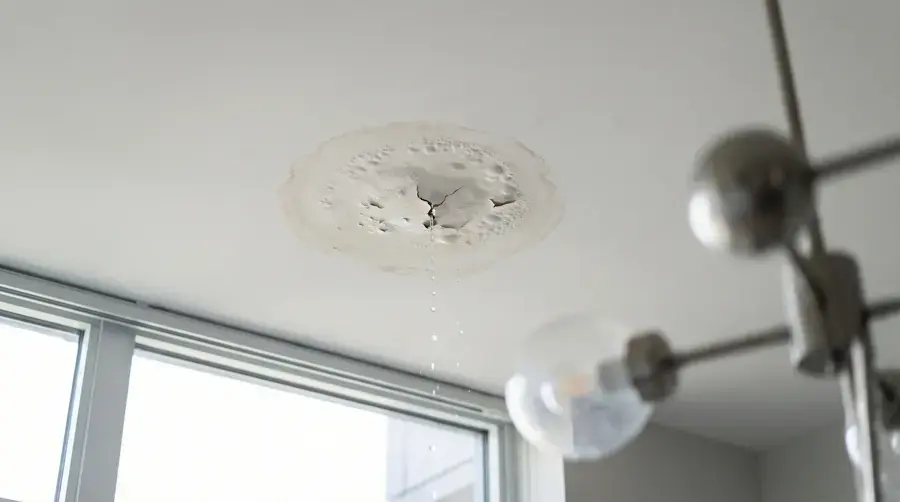
First steps when water crosses between condo units
- 1
Warn the neighbors
Knock on the unit above and tell the unit below. The source may be next door, not in your unit.
- 2
Call the HOA manager
The association may need to shut a riser or a building valve.
- 3
Protect and photograph
Move valuables, set out buckets and photograph every wet ceiling and wall.
- 4
Stay out from under sagging drywall
A ceiling holding water can drop without warning.
How condo water damage is handled by the Gardena restoration crew
A condo loss is a building problem and a paperwork problem at the same time, so the restoration team maps every affected unit and documents each one on its own.
Rapid local response
The response team answers 24/7 and gets a crew moving across Gardena and the South Bay, nights, weekends and storm days included.
IICRC S500 drying standard
The drying team works to the industry drying standard and pulls equipment only when readings say dry, not when the surface looks dry.
Claim-ready documentation
Moisture maps, daily readings and timestamped photos go into a drying log the adjuster, the HOA and the owner can all read.
South Bay water experts
Slab homes, stacked condos and apartment buildings are the everyday work, so the crew checks the unit below and the slab, not just the wet room.
What does condo water damage cost in Gardena, CA?
In Gardena, CA, condo water damage typically runs $1,200 to $9,000 across the affected units, depending on how many units the water reached, how much ceiling and drywall comes out and the water category.
One unit, one ceiling
$1,200 to $2,800- Ceiling opened and dried
- One unit of equipment
- Three to five days
Two stacked units
$2,800 to $5,500- Source unit plus unit below
- Walls and floors dried
- Per-unit logs
Several units or a riser
$5,500 to $9,000+- Three or more units
- Common areas included
- Category 2 treatment
The drivers are the water category, the square footage, the material class and how fast drying started. For a planning range, try the water damage cost calculator.
The condo water damage process in Gardena
- 1
Trace
The tech follows the water through the units above, below and beside.
- 2
Open
Sagging or wet ceilings are opened, and wet wall bases get access holes.
- 3
Dry
The drying team sets equipment in each unit and the shared spaces.
- 4
Document
Each unit gets its own daily log and photo set for its owner and the HOA.
Condo buildings and townhome complexes line Western Avenue, Normandie and the blocks around Gardena Boulevard, many of them two and three stories from the 1960s to the 1980s. In a stacked building, a failed toilet supply, a cracked tub drain or an upper-floor water heater sends water down through the floor system and along the joists, and it can surface two units away from the source.
How the water is traced
The tech who does the walkthrough starts where the water is showing and works outward:
- Moisture readings in the ceiling, walls and floor of the unit with the stain
- Readings in the unit above, looking for the source fixture or pipe
- Readings in the units beside and below, where water often travels unseen
- Thermal imaging along shared walls and plumbing chases
Why every unit gets its own log
The HOA master policy usually looks at common elements, and each owner's HO-6 policy usually looks at the inside of the unit. That split is why the drying team keeps a separate moisture map, photo set and daily reading log for each affected unit, plus one for the common areas. When the adjusters for the association and the owners read the file, each one can see exactly what was wet in the space they cover.
Drying in an occupied building
Neighbors keep living around the work. The mitigation team runs air movers and LGR dehumidifiers sized to each unit, keeps cords and equipment clear of shared hallways, and plans visits so owners are home to let the crew read the meters. Ceilings that sag or hold water get opened first, because a wet ceiling can come down.
Rules worth knowing
California condo associations run under the Davis-Stirling Act and their own CC&Rs, which decide who maintains which pipes. The California Department of Insurance has consumer help on condo policies, and the EPA leak checklist covers the fixture checks that stop repeat leaks.
Water dripping from the ceiling or running down a shared wall? Tell the neighbor and the manager, then call (888) 563-9619
Where condo water damage is handled around Gardena
The Gardena restoration crew works ZIP codes 90247, 90248 and 90249, from Moneta and the Western Avenue corridor to West Gardena and the Rosecrans industrial belt, plus Hawthorne, Torrance, Lawndale and Carson next door.
See every neighborhood coveredRelated water damage services in Gardena
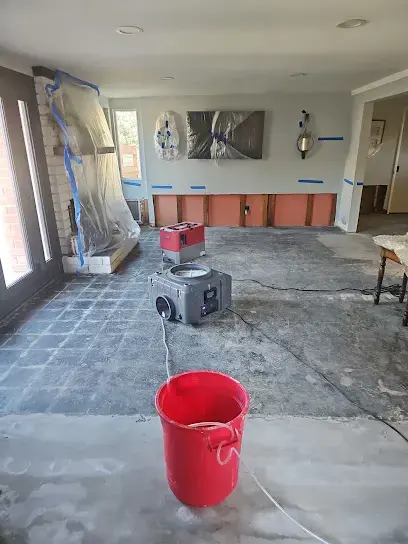 Apartment Water DamageOccupied buildings dried room by room, with separate readings for every affected unit.
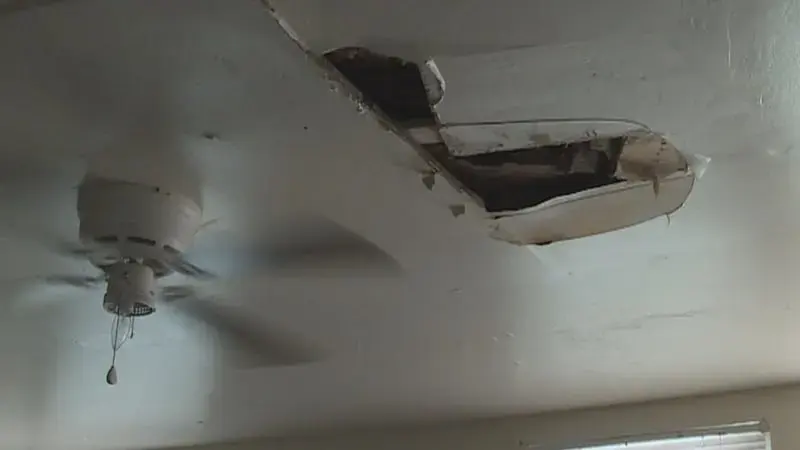 Ceiling Leak Water DamageA bath, supply line or unit above lets go, and the ceiling below is opened and dried.
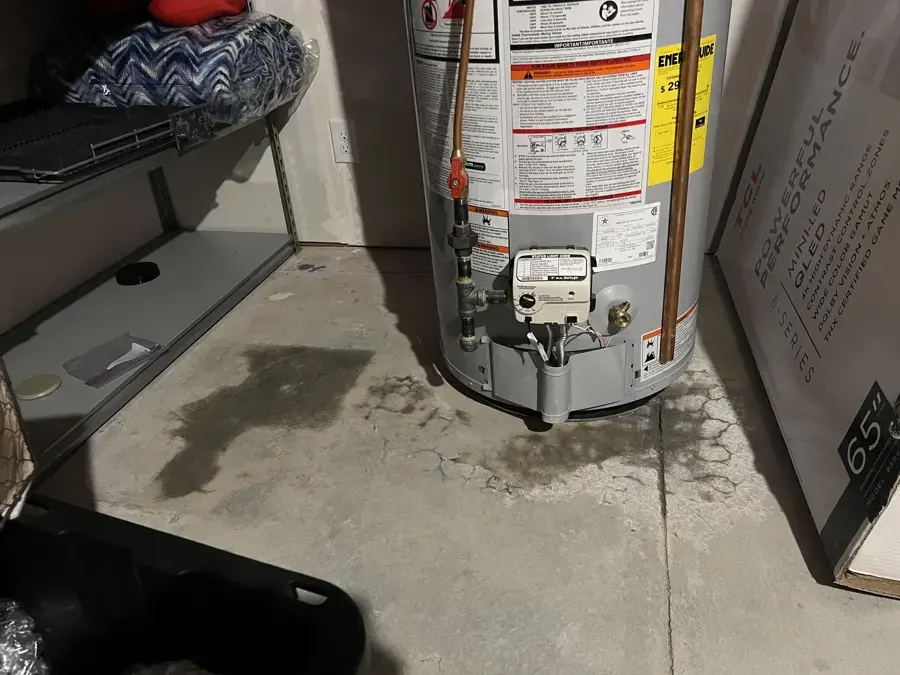 Water Heater Leak CleanupTank and fitting failures in garages, closets and upper-floor units, dried fast.
Condo water damage questions in Gardena
Water in the house right now? Skip the reading and call (888) 563-9619.
Who pays when water comes from the condo above?
It depends on the cause, the CC&Rs and the policies involved. The HOA master policy, the upstairs owner's policy and your own HO-6 each cover different parts. A per-unit drying log helps every party sort it out.
Should the HOA or the owner call for drying?
Whoever gets there first should get drying started, because water keeps moving while people decide. The restoration team documents each unit separately so the costs can be divided later.
Can the drying happen with people living in the units?
Yes, in most losses. The equipment is sized to each unit and kept out of walkways. Category 3 water is the exception, where the affected area is contained and people stay out.
Why is my unit wet when the leak is two doors down?
Water travels along joists, pipes and the top of the slab before it shows up. Moisture readings in the neighboring units usually reveal the path.
Does a wet ceiling always have to come down?
No. A ceiling that is only damp can often dry in place with air movers and dehumidifiers. A ceiling that sags, bubbles or holds water gets opened first.
What does the HOA adjuster want to see?
Moisture maps for each unit and the common area, daily readings, timestamped photos taken before demolition, and the category and class of the loss.
Water crossing between Gardena condo units?
The restoration team traces it through every affected unit, dries each one and keeps a separate record for each owner and the association.