Structural Drying in Gardena, CA
Surfaces can look dry in a day while the framing, the drywall and the slab stay wet for a week. The drying team measures, dries and measures again until the readings match a dry reference in the same building.
(888) 563-9619Walls still wet after a leak? Call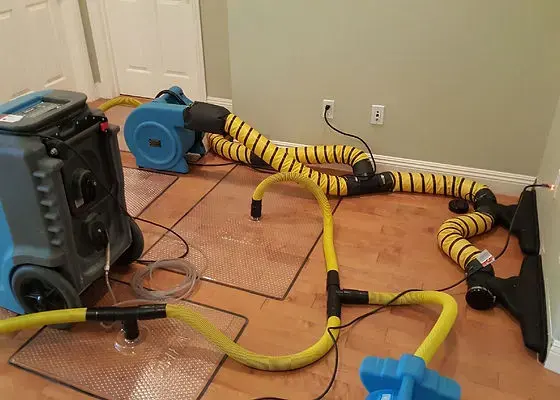
First steps before structural drying starts
- 1
Leave the equipment running
Switching off air movers or dehumidifiers restarts the clock.
- 2
Keep windows closed
Outside air is often more humid than the air the dehumidifiers make.
- 3
Keep the heat moderate
A warm room dries faster; the drying team sets the target.
- 4
Keep wet contents out
Soaked boxes and rugs add water back into the air.
How structural drying is handled by the Gardena restoration crew
Structural drying is the step that decides whether water damage comes back as warped floors and mold later, so it runs on readings, not on the calendar.
Rapid local response
The response team answers 24/7 and gets a crew moving across Gardena and the South Bay, nights, weekends and storm days included.
IICRC S500 drying standard
The drying team works to the industry drying standard and pulls equipment only when readings say dry, not when the surface looks dry.
Claim-ready documentation
Moisture maps, daily readings and timestamped photos go into a drying log the adjuster, the HOA and the owner can all read.
South Bay water experts
Slab homes, stacked condos and apartment buildings are the everyday work, so the crew checks the unit below and the slab, not just the wet room.
What does structural drying cost in Gardena, CA?
In Gardena, CA, structural drying typically runs $800 to $6,000, depending on the class of the loss, the square footage and how many days of equipment the readings require.
Class 1 or 2
$800 to $2,000- One or two rooms
- Air movers and one LGR
- Three to four days
Class 3
$2,000 to $4,000- Ceilings and walls
- Several dehumidifiers
- Cavity drying
Class 4
$4,000 to $6,000+- Slab, hardwood, plaster
- Desiccants and mats
- Longer equipment days
The drivers are the water category, the square footage, the material class and how fast drying started. For a planning range, try the water damage cost calculator.
The structural drying process in Gardena
- 1
Map
The tech takes baseline readings and marks the wet area.
- 2
Set
The drying team places air movers and dehumidifiers for the class of loss.
- 3
Monitor
Readings are logged daily and equipment is moved as areas dry.
- 4
Verify
Equipment leaves only when the readings meet the goal.
Every water loss in Gardena ends with the same question: is the structure actually dry? Slab floors, stucco walls, plaster in older homes and the tightly built floor systems of stacked condos all hold water well past the point where surfaces feel dry. Structural drying is the measured process that answers the question with numbers.
How the drying team sets up
- Moisture mapping with pinless and pin meters before any equipment goes down
- Air movers set to the evaporation load of each room, aimed along wet walls
- LGR dehumidifiers to pull water back out of the air
- Desiccant dehumidifiers and drying mats for Class 4 materials like slab and hardwood
- Containment with plastic to shrink the space being dried
Class 1 through 4
The IICRC S500 sorts losses by how much water was absorbed. Class 1 is a small area with little absorption. Class 2 means carpet and walls wet up to about two feet. Class 3 means water came from above and soaked ceilings and walls. Class 4 means dense materials like concrete, hardwood and plaster are wet. The class sets how many air movers and how much dehumidification a room needs.
Readings, every day
The drying team records the temperature and humidity inside and outside the drying area, the grains per pound of the air, and moisture readings at the same marked points each visit. Equipment comes out when wet materials sit within 2 to 4 points of a dry reference material in an unaffected part of the same building. That log is what an adjuster looks for. The EPA indoor air quality page explains why moisture control matters indoors, and Ready.gov covers safety after indoor flooding.
Still smelling damp days after a leak? A moisture reading answers it fast: call (888) 563-9619
Where structural drying is handled around Gardena
The Gardena restoration crew works ZIP codes 90247, 90248 and 90249, from Moneta and the Western Avenue corridor to West Gardena and the Rosecrans industrial belt, plus Hawthorne, Torrance, Lawndale and Carson next door.
See every neighborhood coveredRelated water damage services in Gardena
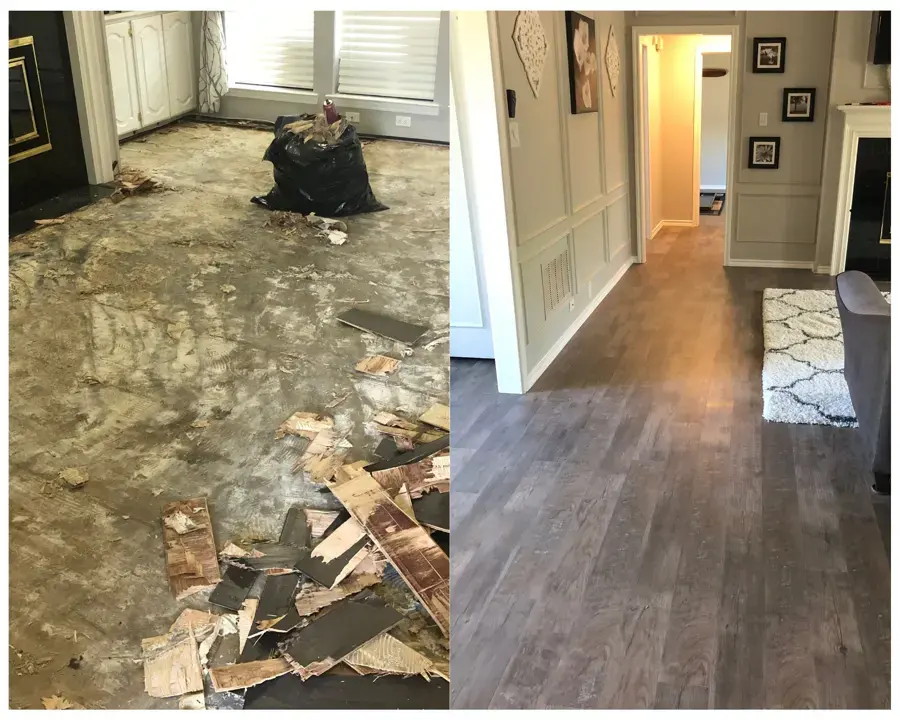 Slab Leak Water DamagePinholed copper under post-war slabs, traced with thermal imaging and dried to a reading.
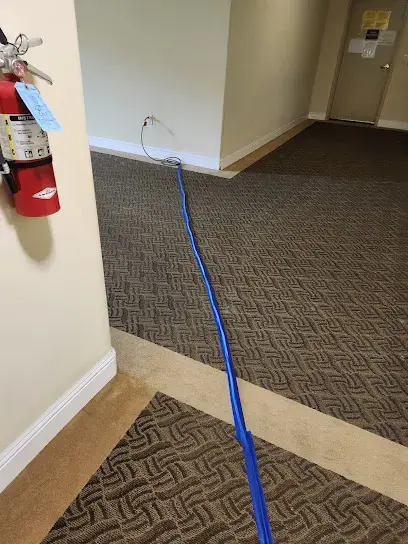 Water ExtractionTruck-mounted extraction pulls standing water before it wicks into walls, cabinets and pad.
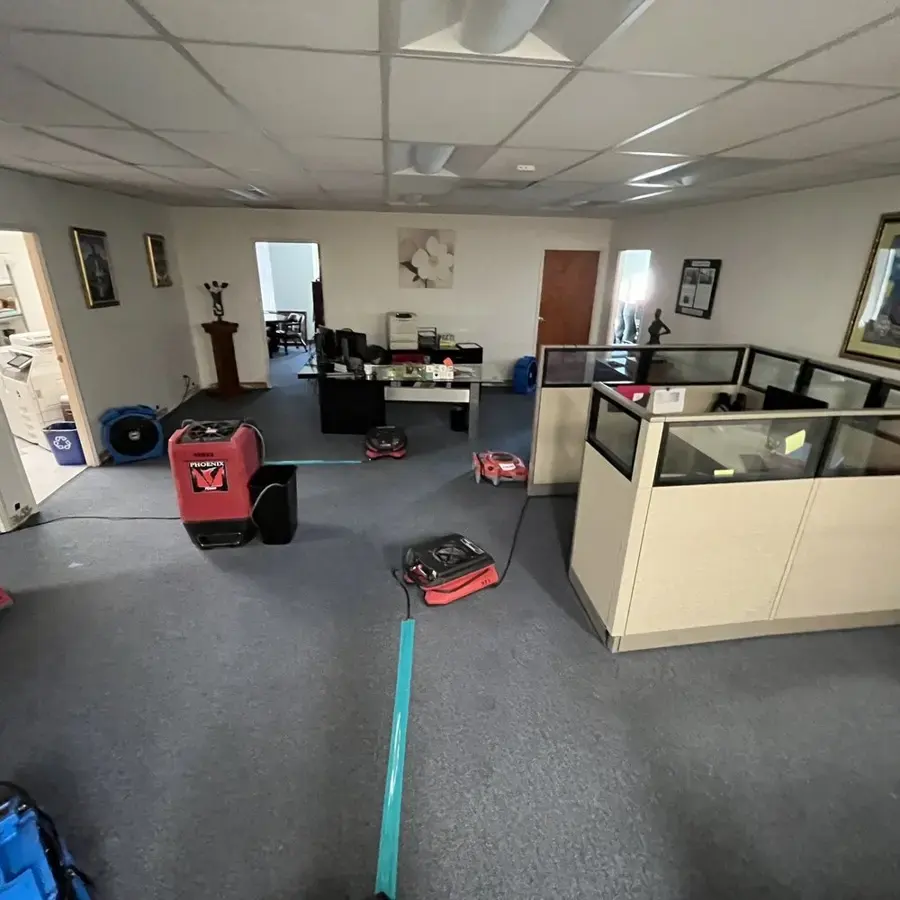 Commercial Water DamageWarehouses on Rosecrans and storefronts on Western, dried with less downtime.
Structural drying questions in Gardena
Water in the house right now? Skip the reading and call (888) 563-9619.
What does structural drying mean?
Drying the building itself, the framing, subfloor, slab and wall cavities, not just the surfaces you can touch. It is measured with moisture meters against a dry reference.
How long does structural drying take?
A contained Class 1 or 2 loss usually dries in three to five days. Class 4 materials like slab and hardwood take longer.
Why not just open the windows?
Outside air is often damp, especially in winter. LGR dehumidifiers make air much drier than outside air, which pulls water out of materials faster.
What is a dry reference?
A reading taken from the same material in an unaffected part of the same building. The drying goal is to bring wet materials within 2 to 4 points of it.
Why is the equipment so loud?
Air movers push a lot of air across wet surfaces. It is noisy, but switching it off slows the drying and can let mold start.
What records come with the drying?
A moisture map, daily moisture and psychrometric readings, the equipment used each day and photos, all of which go into the claim file.
Need a Gardena structure dried to a reading?
The drying team measures, dries and measures again until the readings meet the S500 goal, and hands over the log.