Storm Flood Cleanup in Gardena, CA
Gardena sits on flat ground in the Dominguez watershed, and an atmospheric river can drop inches of rain in a day. When street drains back up, runoff comes in under doors and into garages. The extraction crew pumps it out and the drying team takes over.
(888) 563-9619Rain coming in under the door? Call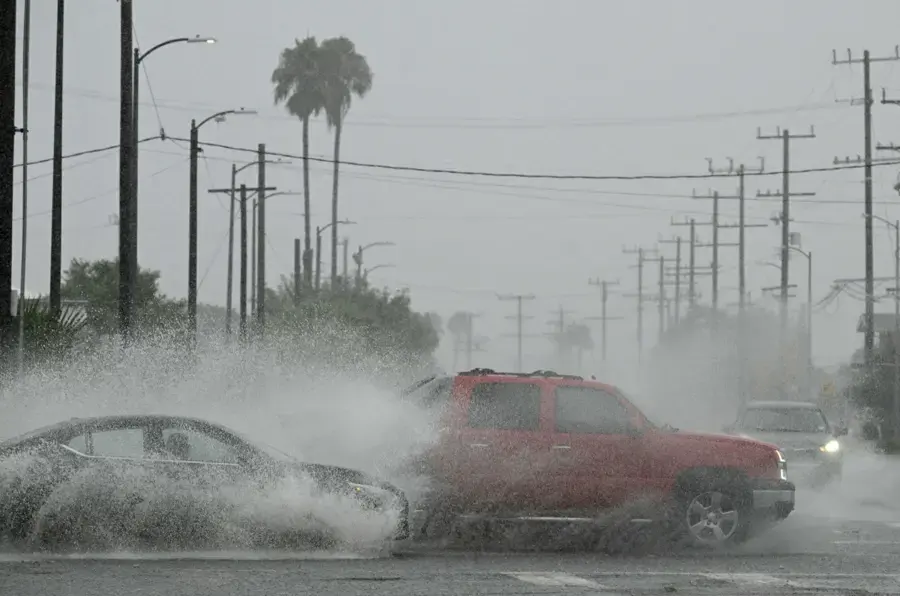
First steps when storm water gets inside
- 1
Stay out of the water near power
Do not walk through water that may reach outlets, cords or appliances.
- 2
Kill wet circuits from a dry spot
Switch off breakers for flooded rooms only if the panel and the floor under you are dry.
- 3
Move what is still dry
Lift belongings, boxes and electronics above the water.
- 4
Photograph the water level
Record how high the water rose on walls, doors and furniture.
How storm flood cleanup is handled by the Gardena restoration crew
Storm water comes from outside, so it is handled as Category 3 water: what it touched gets cleaned or removed before anything is dried.
Rapid local response
The response team answers 24/7 and gets a crew moving across Gardena and the South Bay, nights, weekends and storm days included.
IICRC S500 drying standard
The drying team works to the industry drying standard and pulls equipment only when readings say dry, not when the surface looks dry.
Claim-ready documentation
Moisture maps, daily readings and timestamped photos go into a drying log the adjuster, the HOA and the owner can all read.
South Bay water experts
Slab homes, stacked condos and apartment buildings are the everyday work, so the crew checks the unit below and the slab, not just the wet room.
What does storm flood cleanup cost in Gardena, CA?
In Gardena, CA, storm flood cleanup typically runs $2,500 to $15,000, depending on the square footage flooded, how high the water rose on the walls and how much flooring and drywall comes out.
Garage or one room
$2,500 to $5,000- Shallow runoff
- Lower drywall removed
- Clean and treat
Several rooms
$5,000 to $10,000- Carpet and pad out
- Two-foot flood cuts
- Slab drying
Whole ground floor
$10,000 to $15,000+- Deep or long-standing water
- Cabinets and doors affected
- Extended equipment days
The drivers are the water category, the square footage, the material class and how fast drying started. For a planning range, try the water damage cost calculator.
The storm flood cleanup process in Gardena
- 1
Pump out
The extraction crew removes standing runoff from rooms and garages.
- 2
Remove
Wet carpet, pad and lower drywall come out; contents are sorted.
- 3
Clean
Hard surfaces are cleaned and treated with an EPA-registered antimicrobial.
- 4
Dry
The drying team dries the slab and walls and logs readings to the goal.
Southern California storms arrive in bursts. Most years bring a handful of heavy winter systems, and an atmospheric river can stall over the South Bay and drop several inches in a day. Gardena is almost flat and heavily paved, and its storm drains feed the Dominguez Channel, the concrete flood-control channel that carries runoff to the Los Angeles Harbor. When the drains and the channel run full, water ponds in the streets and finds the lowest openings: garage doors, converted garages, patio sliders and ground-floor units.
Why storm water is Category 3
Runoff picks up oil, fertilizer, animal waste and whatever the storm drains carry. Under the IICRC S500, water from outside is Category 3. That means:
- Carpet, pad and drywall the water touched are removed
- Hard surfaces are cleaned and treated with an EPA-registered antimicrobial
- Stored items on garage floors are sorted into clean, cleanable and lost
- Drying starts only after the contaminated material is out
Where Gardena homes take water
Low driveways that slope toward the house, garages converted to bedrooms, back units that sit lower than the street and older sliding doors with worn sills are the usual entry points. The extraction crew pumps standing water, the tech who does the walkthrough maps how far it wicked into walls, and the drying team runs air movers and LGR dehumidifiers until the readings meet the goal.
Before the next storm
Clear gutters and yard drains in the fall, keep the storm drain at the curb clear of leaves, and move valuables off garage floors when a big system is forecast. The National Weather Service Los Angeles office posts flood watches, LA County Public Works maintains the flood-control channels, and FloodSmart explains flood insurance, which is separate from a homeowners policy.
Storm water inside right now? Stay out of water near outlets and call (888) 563-9619
Where storm flood cleanup is handled around Gardena
The Gardena restoration crew works ZIP codes 90247, 90248 and 90249, from Moneta and the Western Avenue corridor to West Gardena and the Rosecrans industrial belt, plus Hawthorne, Torrance, Lawndale and Carson next door.
See every neighborhood coveredRelated water damage services in Gardena
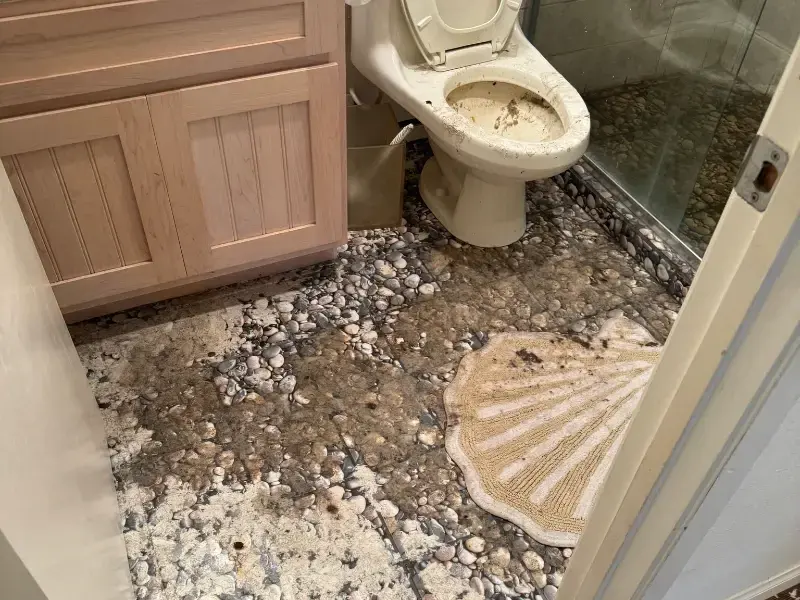 Sewage Backup CleanupCategory 3 backups from old laterals, contained, removed and treated before drying.
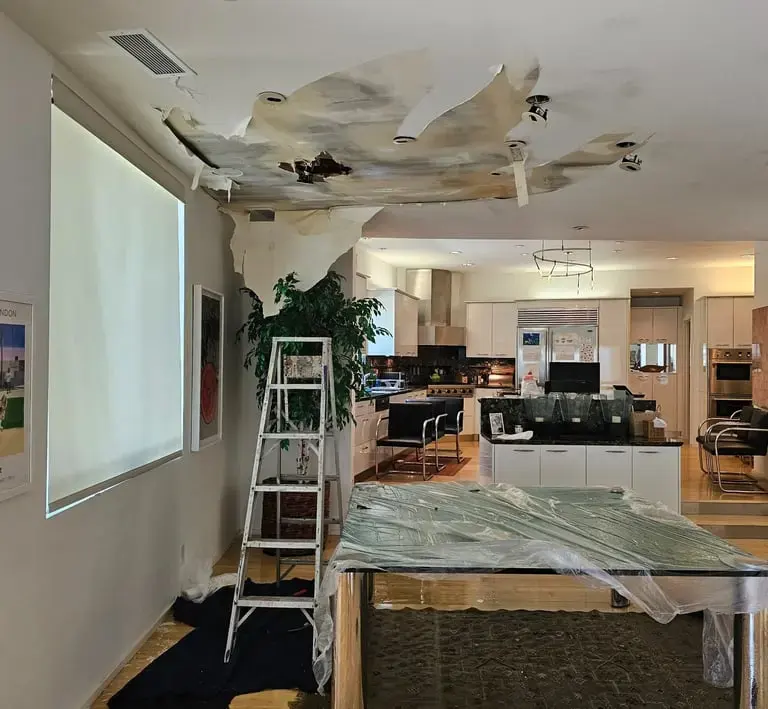 Roof Leak Water DamageFirst-storm leaks through the attic, insulation and ceiling, dried from the top down.
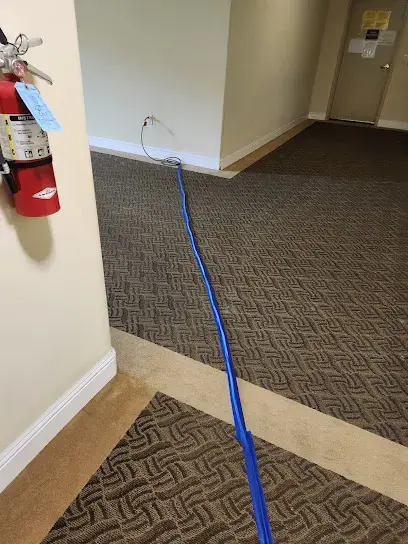 Water ExtractionTruck-mounted extraction pulls standing water before it wicks into walls, cabinets and pad.
Storm flood cleanup questions in Gardena
Water in the house right now? Skip the reading and call (888) 563-9619.
Is storm water treated like a clean leak?
No. Water that comes in from outside is Category 3 under the IICRC S500, so porous materials it touched are removed and surfaces are cleaned and treated before drying.
Does homeowners insurance cover storm flooding?
Rising surface water is usually a flood claim, which needs a separate flood policy. Rain that comes through a damaged roof is often handled differently. Coverage depends on your policy, so check with your own insurer.
How high does drywall have to be cut?
Usually a foot or two above the highest wicking reading, which the tech measures with a moisture meter. The cut line follows the readings, not a fixed height.
Why did water come in when my street never floods?
Heavy bursts of rain can overwhelm local drains for an hour or two on flat ground. Low driveways and converted garages take water first.
Can garage contents be saved?
Hard items like tools and sealed plastic bins can be cleaned. Cardboard, fabric and particleboard touched by floodwater usually cannot.
How long does drying take after a storm?
After the wet materials are removed, a slab and wall cavities usually dry in three to six days, depending on the season and how long the water sat.
Storm water inside a Gardena home?
The extraction crew pumps it out, the mitigation team removes and treats what the runoff touched, and the drying team finishes to the S500 goal.